Health Surveillance
Monitor workplace risks and stay HSE compliant with expert-led assessments.
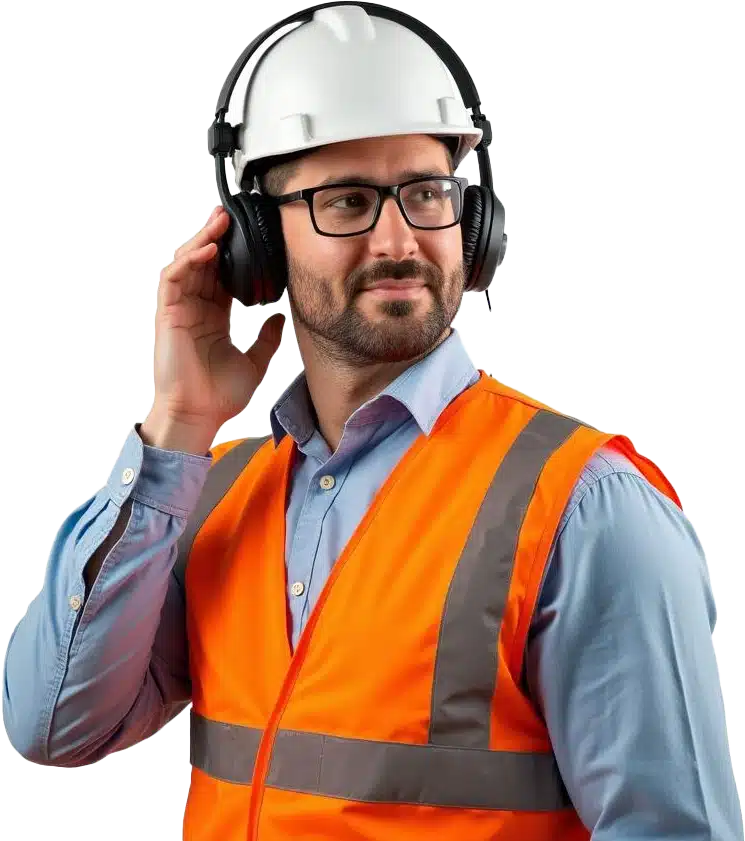
Our tailored health surveillance services ensure compliance with HSE regulations by monitoring workplace risks and establishing baseline health data. Using specialists, we proactively identify hazards and recommend best practices, preventing issues before they arise while safeguarding employee wellbeing and productivity.
Health Surveillance – Proactively Protecting Workforce Health & Ensuring Compliance
Our health surveillance services help businesses comply with HSE regulations, including the Control of Substances Hazardous to Health (COSHH) Regulations 2002 and the Management of Health and Safety at Work Regulations 1999. We conduct regular health assessments to monitor employees exposed to workplace risks such as noise, vibration, hazardous substances, or respiratory hazards. As part of our approach, we establish baseline health data to enable continuous monitoring and early detection of work-related health conditions.
To ensure a proactive approach, our team of specialists works closely with employers to accurately identify workplace risks and concerns. By assessing working conditions and potential hazards, we provide expert recommendations on workplace practices to help prevent health issues before they arise. Our services are tailored to meet the specific needs of each client while maintaining full compliance with occupational health requirements.
By identifying risks early and implementing preventative measures, we help safeguard employee wellbeing, improve workplace safety, and enhance productivity. Our detailed reports provide businesses with valuable insights to maintain compliance and promote long-term occupational health.
What is health surveillance?
Health surveillance is a programme of regular health checks carried out to identify early signs of work-related ill health among employees who are exposed to certain workplace hazards. It is required when there is a risk of disease or adverse health effects even after control measures are in place. Health surveillance helps ensure that hazards such as noise, vibration, dusts, solvents, fumes and biological agents are effectively managed.
When is health surveillance legally required?
In line with HSE guidance, employers should use workplace risk assessments to determine whether health surveillance is required and how frequently it should be carried out.
Health surveillance is required when:
• there is an identifiable disease or health effect linked to a workplace hazard
• there is a reasonable likelihood that harm may occur under the conditions of work
• there are valid techniques available to detect early signs of the disease
Legal requirements arise from regulations such as COSHH (2002), the Control of Noise at Work Regulations, the Control of Vibration at Work Regulations, and the Management of Health and Safety at Work Regulations. Employers must use risk assessment findings to determine when surveillance is necessary.
What types of health surveillance may be included?
The types of surveillance used depend on the hazards present. They may include:
• Baseline and periodic health assessments
• Audiometry for noise exposure
• Spirometry for respiratory hazards
• Skin surveillance for dermatitis risks
• HAVS assessments for vibration exposure
• Biological monitoring for hazardous substance exposure
• Vision checks, musculoskeletal assessments, or other tests where relevant
• Review of risk control measures and advice on any improvements needed
The exact programme is determined by the employer’s workplace risk assessment, exposure levels, applicable HSE guidance, and relevant occupational health regulations.
Who needs to undergo health surveillance?
Employees require health surveillance when their job exposes them to hazards such as:
• hazardous substances (dusts, chemicals, mists, fumes, vapours, gases, biological agents)
• excessive noise
• hand–arm vibration
• ionising radiation or compressed air work
• any other risk identified through a workplace risk assessment
The need for surveillance is based on exposure risk rather than job title.
How often should health surveillance take place?
Health surveillance should be carried out at intervals appropriate to the workplace hazard, level of exposure, and HSE guidance. In many cases, surveillance is conducted annually, although some high-risk environments may require more frequent monitoring.
The frequency of health surveillance depends on:
• the type of hazard
• the level and duration of exposure
• the nature of the work
• previous health surveillance results
Some checks are annual, while others may be more frequent, particularly where vibration, hazardous substances or early warning signs have been identified. Employers should follow HSE recommendations for each specific hazard.
What happens if health surveillance detects a problem?
If surveillance identifies early signs of work-related ill health, the employer must:
• arrange appropriate medical follow-up
• review and, if necessary, improve workplace control measures
• assess whether temporary or permanent adjustments to work duties are needed
• investigate whether other workers may also be affected
Only work-related recommendations and the actions required are shared with the employer. Personal medical details remain confidential.
Is employee consent required and how is health data managed?
Yes. Consent is required before any health surveillance assessment. Health data is classified as sensitive information and must be handled in line with GDPR and medical confidentiality requirements. Employers receive only the work-related outcomes and recommended actions, not detailed clinical information.
Why is health surveillance important?
Health surveillance helps employers and employees to:
• detect work-related health problems at an early stage
• prevent minor symptoms from developing into long-term conditions
• check that exposure controls are effective
• meet legal obligations under HSE regulations
• encourage workers to report symptoms promptly
• maintain a safe and healthy working environment
It is a key part of managing workplace health risks.
What is the process for implementing health surveillance?
A typical health surveillance programme includes:
1. Completing a risk assessment to identify hazards
2. Determining which employees require surveillance
3. Establishing baseline health information
4. Carrying out the relevant health checks or tests
5. Reviewing results and identifying any actions needed
6. Maintaining confidential records and scheduling future surveillance
The programme must be aligned with the hazards identified in the risk assessment and follow HSE’s recommended approach for each type of exposure.
AseptA Occupational Health tailors each programme to the operational risks, workforce exposure levels, and regulatory requirements of the organisation.
Associated Services provided by AseptA during Health Surveillance
At AseptA Occupational Health, our comprehensive health surveillance services help businesses meet HSE regulations while safeguarding employee wellbeing. We proactively monitor workplace risks and detect early signs of work-related health conditions, ensuring a safe and compliant workforce.
Our services include:
- Baseline Health Assessments – Establishing initial health data for ongoing monitoring.
- Regular Health Checks – Identifying early signs of work-related conditions.
- Audiometry (Hearing Tests) – Monitoring noise exposure.
- Spirometry (Lung Function Tests) – Assessing respiratory health risks.
- HAVS Assessments – Evaluating exposure to vibrating tools and equipment.
- Skin Surveillance – Detecting occupational dermatitis and skin conditions.
- Biological Monitoring – Measuring hazardous substance levels.
- Vision Screening – Ensuring fitness for safety-critical tasks.
- Musculoskeletal Assessments – Identifying risks from repetitive tasks and manual handling.
- Workplace Risk Assessments – Conducted by specialists to identify hazards and recommend best practices.
- Employee Health Education & Advice – Providing guidance on workplace risks.
- Reporting & Compliance Documentation – Ensuring businesses meet regulatory requirements.
At AseptA Occupational Health, we go beyond simply identifying issues—we take a proactive approach by working with specialists to assess workplace conditions, identify risks, and recommend preventive measures. Our tailored services ensure businesses not only meet legal obligations but also foster a healthier, safer, and more productive workforce.
Other Services from AseptA OH
Health surveillance plays a key role in a proactive occupational health strategy. It often works alongside pre-employment medicals to assess suitability for work, as well as sickness absence management and occupational health case management to support employees over time. Employers may also utilise exit medicals, training and support, and services for significant events and key projects.
AseptA Occupational Health helps employers implement proactive, compliant health surveillance programmes that support workforce wellbeing, reduce workplace risk, and align with UK occupational health regulations.